Dignity For All
Beyond Rights & Equality
Citizens Against Trafficking

Co-founders of Citizens Against Trafficking
Citizens Against Trafficking (CAT) is an informal alliance of allies committed to combating all forms of sexual exploitation. CAT was co-founded by Donna M Hughes and Melanie Shapiro in Rhode Island in the Spring of 2009. Its primary goal was to support new legislation that would end decriminalized prostitution and create a comprehensive anti-human trafficking law that included sex trafficking and forced labor.
CAT’s mode of action was to present evidence for the existence of sex trafficking in Rhode Island and show the harm of decriminalized prostitution. Melanie Shapiro and Donna Hughes researched the sex trade in Rhode Island with particular focus on the massage parlors. They wrote and regularly published evidence based bulletins about the massage parlors, the strip clubs, and the political process in the Rhode Island General Assembly as the proposed bills were introduced and debated.
The following are the CAT bulletins and the research based peer-reviewed articles that have been published to date.
Peer-Reviewed Research Papers
Honor’s Thesis
Sex Trafficking and Decriminalized Prostitution in Rhode Island by Melanie Shapiro, 2009
Abstract
Rhode Island is the only state in the United States where prostitution is decriminalized indoors. Since decriminalization in 1980, the sex industry has expanded and Rhode Island has become a destination for commercial sex in New England. The goal of this project was to research the history of decriminalization, gather information on Asian massage parlor brothels, and determine if sex trafficking is occurring in these establishments. Research on Asian massage parlor brothels and sex trafficking was carried out by observation of brothels, content analysis of writings by “johns” in online forums, newspaper stories, analysis of federal, state, and local statutes, analysis of known prostitution and sex trafficking cases, and advertisements by Asian massage parlor brothels. Asian massage parlors were the focus of the research since they advertise publicly, making them easier to research than other brothels in Rhode Island. Results of the research identified thirty-three Asian massage parlor brothels. Indicators of sex trafficking were found, such as barred windows and sealed exit doors, and the use of surveillance video cameras. Indications of women’s restricted freedom and limited mobility were identified, such as living on the premises and being rotated through a circuit of massage parlors. Content analysis of “johns’” reports of buying sex revealed examples of women’s resistance to engage in sex acts, indicating they may not have been acting freely. Decriminalized prostitution has factored in the expansion of the commercial sex industry. Decriminalization of prostitution also makes it difficult to use existing statutes for organizing and controlling prostitution. Decriminalization of prostitution also interferes with the ability to identify and assist victims of sex trafficking.
Citizens Against Trafficking Bulletins

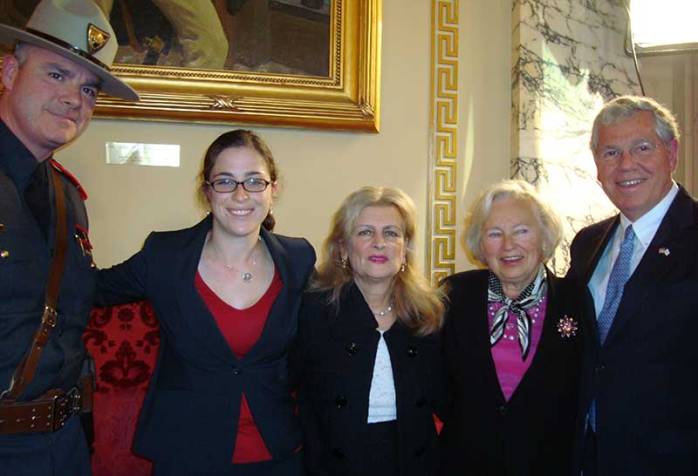
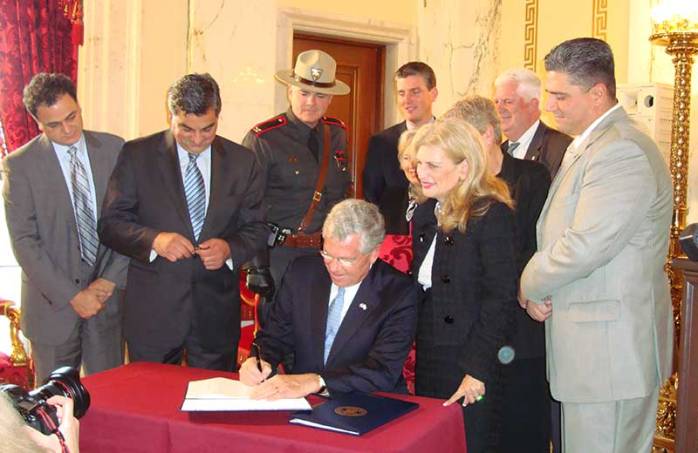
Successful sponsor of three anti-sexual exploitation bills in 2009. She reversed the permissive climate for prostitution and sex trafficking in Rhode Island



Margaret was the key researcher on the sex radicals who supported decriminalized prostitution in Rhode Island
The Political Process


 Dignity For All